
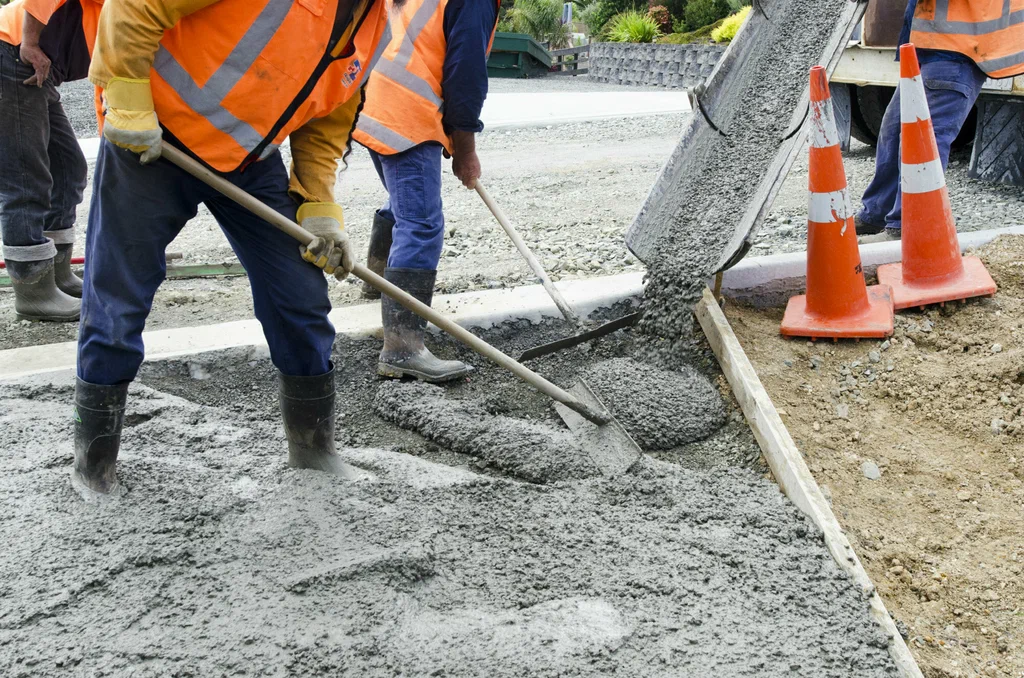
Residential concrete is a practical and durable choice for homeowners who want to improve their property’s appearance, functionality, and long-term value. From a new driveway and backyard patio to interior concrete floors and retaining walls, properly designed and installed concrete can serve many purposes around a home.
For homeowners in Fargo, ND, choosing the right concrete solution is important. A residential concrete project must be planned around the property’s layout, intended use, drainage needs, soil conditions, and the local climate. With professional installation and proper preparation, concrete surfaces can provide dependable performance for years.
Whether you are building a new outdoor living area, replacing a damaged driveway, improving your landscaping, or creating a modern interior floor, residential concrete offers a wide range of design and construction possibilities.
What Is Residential Concrete?
Residential concrete refers to concrete installation, construction, repair, replacement, and finishing services designed for homes and residential properties.
These services may include:
- Concrete driveways
- Patios
- Walkways
- Sidewalks
- Retaining walls
- Garage floors
- Basement floors
- Interior decorative floors
- Concrete slabs
- Concrete repairs and replacements
Concrete can be customized through different finishes, colors, textures, patterns, and design styles. This makes it suitable for both practical construction projects and decorative improvements.
Why Choose Professional Residential Concrete Services?
Concrete may appear simple, but a successful project requires more than pouring and leveling material. Proper preparation and installation have a major effect on the final result.
Professional residential concrete services can help with:
- Site preparation
- Grading and drainage planning
- Base preparation
- Reinforcement
- Formwork
- Concrete placement
- Leveling and finishing
- Joint placement
- Curing
- Repairs and maintenance recommendations
Poor preparation can lead to cracking, uneven surfaces, drainage problems, and premature deterioration. Professional planning helps create a more stable and durable finished surface.
Residential Concrete Driveways
A concrete driveway is one of the most visible and frequently used concrete features on a residential property. It must withstand vehicles, changing weather, daily traffic, and regular exposure to the elements.
A professionally installed concrete driveway can provide:
- A durable parking surface
- Improved curb appeal
- Easier maintenance
- A clean, finished appearance
- Long-term functionality
New Concrete Driveway Installation
New driveway installation typically begins with site preparation. The area may need to be excavated, graded, and prepared with a stable base before the concrete is placed.
Important factors include:
- Driveway size and layout
- Drainage
- Soil conditions
- Reinforcement requirements
- Thickness
- Expansion and control joints
- Surface finish
A well-planned driveway should not only look attractive but also direct water away from the home and other vulnerable areas.
Concrete Driveway Replacement
Older driveways may develop severe cracking, settling, surface deterioration, or drainage issues. When damage is extensive, replacement may be more practical than repeated repairs.
A contractor can assess the existing surface and determine whether it requires repair, resurfacing, or complete replacement.
Concrete Patios and Walkways
Outdoor concrete areas can improve how homeowners use their property. A patio can create space for outdoor dining and relaxation, while walkways can make it easier and safer to move around the property.
Concrete Patio Installation
A concrete patio can be designed for:
- Outdoor seating
- Dining areas
- Fire pit spaces
- Entertainment areas
- Grilling areas
- Poolside spaces
Homeowners can choose from various finishes and design options to complement the property’s exterior.
Decorative concrete can also create the appearance of stone, tile, or other materials while maintaining the strength and functionality of concrete.
Concrete Walkways
Walkways connect different areas of a property and can improve both accessibility and appearance.
Residential concrete walkways may connect:
- Driveways to front entrances
- Patios to yards
- Garages to homes
- Sidewalks to outdoor living spaces
Proper grading is important to help prevent standing water and improve surface drainage.
Retaining Walls
Retaining walls are designed to hold back soil and help manage changes in elevation. They can provide both structural and landscaping benefits.
Residential retaining walls may be used to:
- Control soil erosion
- Create level areas
- Support sloped yards
- Improve drainage
- Define landscaping areas
- Create planting beds
Why Proper Retaining Wall Design Matters
A retaining wall must be designed to handle the pressure created by soil and water behind it. Drainage is especially important because trapped water can increase pressure on the wall.
Professional planning may include:
- Site evaluation
- Wall design
- Proper foundation preparation
- Drainage planning
- Reinforcement when needed
- Appropriate materials
A properly designed retaining wall can improve the usability and appearance of a sloped residential property.
Interior Concrete Floors
Concrete is not limited to outdoor applications. Interior concrete floors have become increasingly popular in modern residential design.
They may be used in:
- Basements
- Garages
- Kitchens
- Living spaces
- Entryways
- Utility rooms
Benefits of Interior Concrete Floors
Interior concrete flooring can offer:
- Durability
- Easy maintenance
- A modern appearance
- Design flexibility
- Resistance to everyday wear
Concrete floors can be polished, stained, sealed, or finished in different ways to create a customized appearance.
Basement Concrete Floors
Basement floors must be designed with the property’s moisture conditions in mind. Proper preparation and sealing can help create a more durable and attractive surface.
Homeowners may choose decorative or polished concrete to create a clean, modern basement environment.
Concrete Repair and Replacement
Even properly installed concrete can eventually develop damage due to age, weather, soil movement, heavy loads, or drainage problems.
Common signs of concrete damage include:
- Cracks
- Uneven surfaces
- Settling
- Chipping
- Spalling
- Surface deterioration
- Drainage problems
When Is Concrete Repair Appropriate?
Repair may be suitable when the damage is limited and the underlying structure remains stable.
Potential repair solutions may include:
- Crack repair
- Joint repair
- Surface patching
- Leveling
- Resurfacing
When Is Replacement Better?
Complete replacement may be recommended when the concrete has extensive structural damage, severe settling, or widespread deterioration.
A professional evaluation can help determine the most appropriate solution for the property.
How Does the Residential Concrete Installation Process Work?
Although each project is different, most residential concrete projects follow several basic steps.
1. Project Planning
The contractor evaluates the property, project requirements, dimensions, drainage, and intended use.
2. Site Preparation
The area is cleared, excavated, graded, and prepared for the concrete installation.
3. Base Preparation
A stable base may be installed and compacted to support the finished concrete surface.
4. Formwork and Reinforcement
Forms define the shape of the project. Reinforcement may be used where additional structural support is needed.
5. Concrete Placement
The concrete is placed and distributed across the prepared area.
6. Leveling and Finishing
The surface is leveled and finished according to the selected design and application.
7. Curing
The concrete must be allowed to cure properly. Proper curing supports strength and long-term performance.
How Can Homeowners Protect Concrete?
Proper care can help extend the life and appearance of residential concrete.
Helpful practices include:
- Keep the surface clean.
- Address cracks early.
- Maintain proper drainage.
- Avoid unnecessary heavy loads.
- Follow recommended sealing schedules.
- Remove standing water where possible.
- Have significant damage professionally evaluated.
In areas with seasonal weather changes, proper drainage and surface maintenance are especially important.
Choosing the Right Residential Concrete Contractor
When selecting a contractor, homeowners should consider:
Experience
Look for a company with experience handling the type of project you need.
Project Knowledge
A contractor should understand the requirements of driveways, patios, walkways, retaining walls, and interior concrete floors.
Preparation Practices
Ask how the site will be prepared and how drainage will be addressed.
Communication
Clear communication helps ensure that the project scope, materials, timeline, and expectations are understood.
Quality Workmanship
Proper installation techniques and attention to detail can affect the long-term performance of the concrete.
Frequently Asked Questions About Residential Concrete
What is residential concrete used for?
Residential concrete is used for driveways, patios, walkways, retaining walls, garage floors, basement floors, interior flooring, slabs, and other home improvement and construction projects.
How long does residential concrete last?
The lifespan of concrete depends on installation quality, site preparation, drainage, usage, maintenance, and environmental conditions. Properly installed and maintained concrete can provide long-term service.
Is concrete good for a residential driveway?
Yes. Concrete is a durable and practical option for residential driveways when the surface is properly designed, prepared, installed, and maintained.
Can concrete be used for interior floors?
Yes. Interior concrete floors can be polished, stained, sealed, or finished in different ways to create a durable and modern surface.
Should cracked concrete be repaired or replaced?
Minor or localized damage may be repairable, while severe cracking, settling, or widespread deterioration may require replacement. A professional evaluation can help determine the best option.
What is the difference between a concrete patio and a walkway?
A concrete patio is generally designed as a larger outdoor living or entertainment area, while a walkway provides a designated path between different areas of a property.
Do retaining walls require drainage?
Proper drainage is often an important part of retaining wall design because water buildup can increase pressure behind the wall and affect its performance.
Final Thoughts
Residential concrete can improve the function, appearance, and value of a home in many different ways. From durable driveways and attractive patios to practical walkways, retaining walls, and modern interior floors, concrete offers a versatile solution for homeowners.
A professional concrete contractor can evaluate your property, discuss your goals, and develop a residential concrete solution suited to your project requirements in Fargo, ND.
The quality of the finished project depends heavily on proper planning, site preparation, installation, finishing, and curing. Whether you are planning a new concrete project or dealing with an aging or damaged surface, professional guidance can help you choose the right approach.