Concrete driveway installation requires knowledge of load capacity, site and subgrade preparation, drainage requirements, and joint placement in order to maintain a durable, low-maintenance surface that will add home curb appeal and provide decades of reliable service.
For an easy install, Beyond Concrete obtains the municipal building permits, marks the underground utilities, chooses your concrete mix and thickness (minimum 4 inches for cars, 5-6 for heavy trucks), creates the right slope for good drainage, and plans to pour in the least wet, cold weather.
Things You Should Know Before Pouring a Concrete Driveway Installation
Concrete driveways are hands down one of the best investments that you can make to enhance your home. The benefits of concrete driveway installation extend well beyond having a clean, durable place to park your vehicle.
But pouring a driveway isn’t as simple as dumping some wet concrete into a wooden frame. Creating a flat, crack-free surface involves planning the site properly, structural engineering, and appreciating the way temperature and climate affect the curing process.
Key Planning and Structural Requirements of Concrete Driveways
Prior to your initial delivery truck, many essential technical planning tasks must be done to make your investment last and occasional truck visitors.
1. Permits, Utilities, and Thickness Planning
Better planning now avoids hassles or structural failure later.
● Permits & HOA Guidelines: At the municipal level, be sure to check for setback guidelines, apron requirements, and storm water runoff guidelines for your area before getting out the shovel. Never start work until you contact all utility providers to locate lines.
● Select the Thickness: For most residential driveways designed for passenger cars, a 4-inch slab thickness is perfect. But if you often have heavy delivery trucks, RVs, or commercial vehicles parking in your driveway, plan to install a 5- or 6-inch slab.
2. Subgrade Preparation and Reinforcement
Any concrete slab’s strength is nothing without the foundation.
● Excavation and Soil Compaction: Installers have to remove the topsoil and compact 4- to 6-inch gravel sub-base. The driveway will shift if there is an unevenly compacted base while being extremely abused.
● Steel Rebar and Mesh Reinforcement: Running a spiderweb of steel rebar or heavy wire mesh lifted halfway between the top and bottom of the slab adds important tensile strength that helps keep the concrete intact under stress.
Managing Water Drainage and Control Joints
The way the driveway construction is managed and controlled for cracking is two of the key factors that will go into whether that driveway lasts for 10 years or 40 years.
3. Drainage Slopes and Surface Finishes
Know how to get water away from your home foundation. It’s important to be protecting your driveway and your home.
● Slope and Pitch Calibration: It is important to have a slope on the driveway away from your house and garage at least 1/4 inch per foot so that all rainwater can run off the driveway and not puddle.
● Broom Finish for Traction: Broom finishing is a technique used to generate a micro-texture that offers slip-resistant traction for tires and workers when confronted with rainy and icy conditions.
4. Control Joint Placement and Curing
Concrete expands and contracts as the temperature rises and falls.
● Strategic Control Joints: Installed by the installer at every 8 to 10′ and etched to a depth of 1/4 the thickness of the concrete. These are intentional grooves that control where concrete relieves tension, thus stopping unplanned surface cracking.
● Correct Curing Duration: The liquid curing compound preserves moisture in the moist concrete, keeping it moist until the concrete achieves its full chemical strength for withstanding the load of vehicles.
Why Hire Professionals for Concrete Driveway Installation?
You could make a single concrete stepping stone yourself, but building a full driveway requires machinery, speed, and skill.
- Precision Subgrade and Framing Work: Heavy excavation equipment and plate compactors are used by professional builders to create a level subgrade foundation that’s reinforced, which minimizes the risk of your concrete cracking or sagging.
● Batch Quality & Timing Execution: Wet concrete quickly becomes durable. With experienced crews, form changes are scheduled for timely transit mix deliveries and complete substantial areas in small time windows before the concrete hardens, ensuring proper driveway replacement.
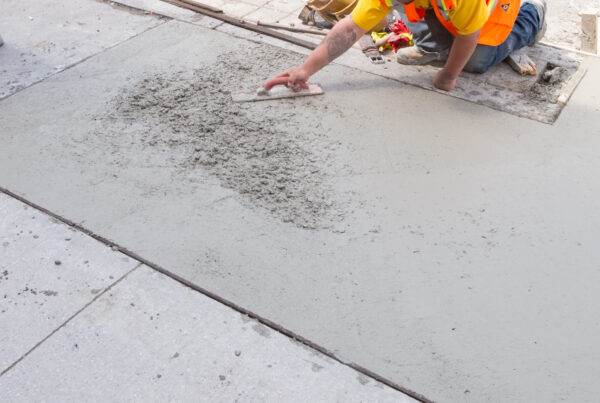
● Premier Finishing Skills: Expert finishers understand how to properly trowel, broom-texture, cut joints, and seal so they can leave you with a sleek, weather-defying finish.
Conclusion
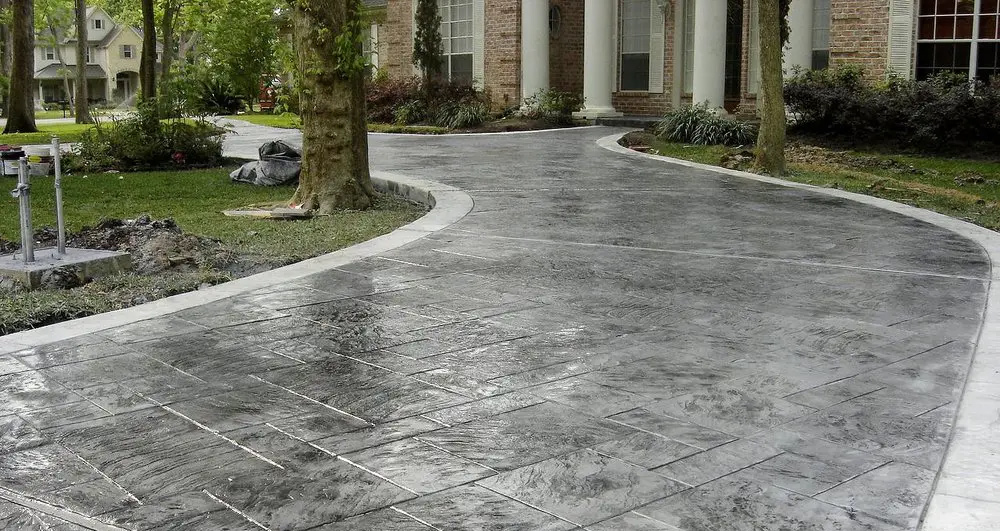
A concrete driveway is a work of real-life art that will be enjoyed daily and add significant value to your property. When you get it right—slab thickness, clean, compacted subgrade, appropriate water drainage, and well-placed control joints, you will have a concrete driveway that will last as long as the rest of your home without developing unsightly cracks. Working with experienced professional concrete contractors will ensure your driveway will stand the test of time.
FAQs
How long does a concrete driveway take to install and cure?
Excavation, framing, and pouring usually take 1 to 3 days. You can walk on the surface after 24 hours, but you must wait 7 days before parking standard cars and 28 days for full structural cure.
How much does a new concrete driveway cost per square foot?
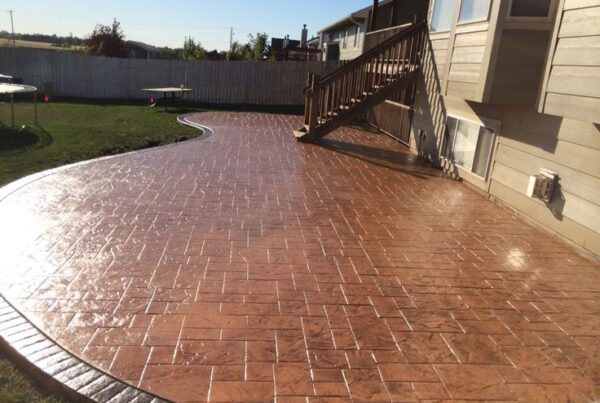
On average, a standard plain concrete driveway costs between $6 and $12 per square foot for materials and installation, while decorative or stamped concrete ranges from $12 to $18+ per square foot.
Does a concrete driveway need to be sealed?
Yes. Applying a quality concrete sealer every 3 to 5 years protects the surface from water absorption, de-icing salts, oil stains, and freeze-thaw surface spalling.
What is the main cause of cracks in a new concrete driveway?
Cracks are primarily caused by poor subgrade compaction, excess water in the concrete mix, and lack of control joints.
Can I pour a new concrete driveway directly over an old one?
It is not recommended. Pouring over an old, cracked driveway causes existing cracks to transfer up into the new slab (reflective cracking) and creates severe height alignment issues with garages and walkways.